Gelişmiş Seramik Bileşenler, Aşırı Koşullu Endüstriyel Akışkan Sistemlerinde Arızaları Nasıl Önler?
Apr 30, 2026
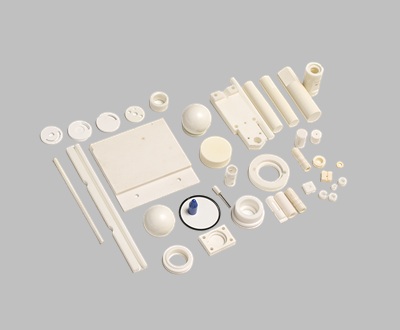
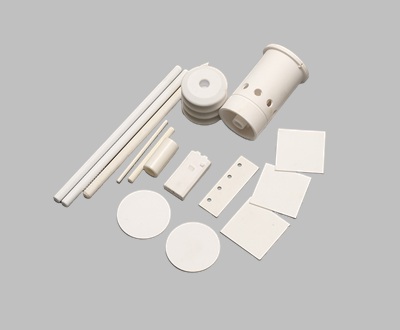
Modern kimyasal işleme, bulamaç taşıma ve yarı iletken gofret temizleme süreçlerinde, sıvı taşıma sistemleri uzun zamandır temel ve pahalı bir mühendislik sorunuyla karşı karşıyadır: son derece aşındırıcı bileşiklerin ve yüksek sertlikteki asılı aşındırıcı parçacıkların çifte saldırısı. Geleneksel 316L paslanmaz çeliğin veya hatta Hastelloy'un malzeme aşınma oranı, bu aşırı çalışma koşullarıyla karşı karşıya kaldığında genellikle mühendislik beklentilerini aşmaktadır. Sık sık yaşanan arıza süreleri yalnızca doğrudan bakım bütçelerini artırmakla kalmaz, aynı zamanda planlanmamış duruşların neden olduğu verimlilik kaybı da genellikle donanım maliyetinin onlarca katıdır. Bu darboğazı aşmak için, akışkan ekipman mühendisleri, geleneksel metal aşınma parçalarının yerine gelişmiş teknik seramikleri (özellikle yüksek saflıkta alümina ve zirkonya) büyük ölçekte kullanmaya başlıyorlar. Malzeme bilimindeki gelişmeler, bu seramik bileşenlerin artık sadece "yüksek sıcaklık yalıtkanları" olmaktan çıkıp, tribolojik arızaları ve kimyasal bozulmayı çözmek için önemli mekanik bileşenler haline geldiği anlamına geliyor.Aşındırıcı Sıvılarda Geleneksel Kısma ve Enjeksiyon Bileşenlerinin Arıza MekanizmalarıYüksek basınçlı enjeksiyon veya kantitatif dozlama içeren sistemlerde (örneğin, dozaj pompaları veya yüksek basınçlı temizleme ekipmanları), sıvılar dar kanallardan geçerken ciddi basınç düşüşleri ve hız artışları yaşarlar. Bu akışkan dinamiği değişiklikleri, kavitasyona (sıvı içindeki mikroskobik kabarcıkların anlık içe doğru patlaması) neden olma olasılığı çok yüksektir ve bu da bileşen yüzeyinde son derece güçlü bir mikro jet etkisi yaratır. Sıvı, diyatomlu toprak, kuvars kumu veya metal parçaları gibi aşındırıcı parçacıklar içerdiğinde, metal nozulların iç çapı gözle görülür bir oranda genişler; bu da doğrudan sistem akış kontrolünün bozulmasına ve enerji tüketiminin artmasına yol açar. Bu noktada, bir Pompa için Zirkonya Seramik Meme Şu anda en etkili azaltma stratejisidir. Zirkonya (tipik olarak Yttrium stabilize tetragonal zirkonya polikristal, Y-TZP), son derece yüksek yüzey sertliğine sahip olmasının yanı sıra benzersiz bir "dönüşümle sertleştirme" etkisine de sahiptir. Mikroskobik bir darbeye maruz kaldığında, kristal yapısı hacim genişlemesine uğrar ve böylece çatlak yayılımının enerjisini emer. Bu, onu yalnızca aşınmaya dayanıklı değil, aynı zamanda yüksek frekanslı jet darbeleri altında kırılgan kırılmaya karşı da son derece dirençli hale getirir.Meme / Gaz Kelebeği MalzemesiVickers Sertliği (HV)Kırılma Tokluğu (MPa·m1/2)Yıllık Delik Aşınma Genleşme OranıTahmini Etkin Yaşam Döngüsü316L Paslanmaz Çelik~200Yüksek (Metal Sünekliği)%18,53 - 6 AyTungsten Karbür (WC)~15004,5 - 6,0%4,212 - 18 Ayİtriyum Stabilize Zirkonya (Y-TZP)~12008.0 - 10.0< %1,036 Aydan Fazla Yüksek Aşındırıcı Koşullarda Statik ve Dinamik Sızdırmazlık TasarımıFiziksel aşınmanın ötesinde, kimyasal pompalama sistemlerinde (örneğin %30'un üzerinde konsantrasyonda hidroklorik asit, yüksek sıcaklıkta sülfürik asit veya hidroflorik asit işleyen sistemlerde) bir diğer önemli arıza noktası vana sistemidir. Geleneksel Politetrafloroetilen (PTFE) veya kauçuk contalar, yüksek sıcaklık ve basınç altında soğuk akış deformasyonuna eğilimlidir, metal vanalar ise ciddi taneler arası korozyona maruz kalır. Sıvı kontrol sisteminde iç sızıntı veya dış damlama görüldüğünde, düzenli bir bakım yapılması gerekir.endüstriyel Seramik Valf Plakası yenisiyle değiştirme Sızdırmazlık taban çizgisini tamamen sıfırlayabilir. Modern seramik valf plakaları esas olarak %99 yüksek saflıkta alümina veya silisyum karbürden üretilir. Yüksek hassasiyetli CNC taşlama ve parlatma işlemleriyle, temas yüzeylerinin yüzey pürüzlülüğü (Ra) 0,1 μm'nin altına düşürülebilir ve bu da son derece yüksek düzlük sağlar. Bu ultra düz seramik valf plakalarından iki tanesi bir araya getirildiğinde, neredeyse mükemmel bir moleküler düzeyde "sert sızdırmazlık" oluşturarak, herhangi bir elastomer desteğine ihtiyaç duymadan sıfır sızıntı engellemesi sağlarlar. Daha da önemlisi, yüksek saflıktaki seramikler, neredeyse tüm güçlü asitlere, güçlü bazlara ve organik çözücülere karşı kimyasal inertlik göstererek, malzeme bozulmasından kaynaklanan kirlenme riskini ortadan kaldırır. Yüksek Basınçlı Pompalarda Eksenel Yüklerin ve Kuru Sürtünme Risklerinin YönetimiÇok kademeli santrifüj pompaların ve manyetik tahrikli pompaların yapısal tasarımında, çarkın dönüşü kaçınılmaz olarak büyük bir eksenel itme kuvveti üretir. Bu itme kuvveti genellikle itme yatakları veya rondelalar tarafından emilir. Soğutma ve yağlama için pompalanan sıvının kendisine dayanan bazı sistemlerde, sıvı yetersizliği veya gaz kilitlenmesi (kuru çalışma durumu) meydana geldiğinde, geleneksel metal veya plastik rondelalar sürtünme nedeniyle aşırı ısınma sonucu saniyeler içinde erir veya sıkışır ve bu da motor rotor sisteminin tamamen tahrip olmasına yol açar. Bir entegrasyonu Alümina Seramik Baskı Yıkama Pompası Rotor tasarımına entegre edilen bu bileşen, eşsiz aşınma önleyici özellikler sunar. %99 alümina seramik, son derece düşük kuru sürtünme katsayısına (yağlanmamış durumlarda bile metal-metal sürtünmesinden çok daha düşük) ve mükemmel boyutsal kararlılığa sahiptir. Geçici yüksek sıcaklık sürtünmesi altında bile, seramik rondela termal genleşme deformasyonuna veya kaynak etkisine maruz kalmaz. Bu, operatörlere sistemin kuru çalışma alarmları için değerli tepki süresi kazandırarak, ekipmanda meydana gelebilecek felaket hasarlarını önler.Maliyet Bileşeni (USD)Geleneksel Metal/Polimer Bileşen YapılandırmasıTamamı Seramik Bileşen Konfigürasyonu (Alümina/Zirkonya)İlk Tedarik ve Montaj Maliyeti450 dolar1.200 dolarOrtalama Yıllık Parça Değiştirme Sıklığı2,5 Kat0,2 Kez (Yaklaşık olarak her 5 yılda bir)Tek Seferlik Yedek Parça ve İşçilik Ücreti200 dolar250 dolar5 Yıl Boyunca Toplam Bakım Kesintisi (Saat)80 Saat6 SaatArıza Nedeniyle Tahmini Üretim Kaybı12.000 dolar900 dolar5 Yıllık Toplam Sahip Olma Maliyeti (TCO)15.450 dolar2.400 dolar(Not: Üretim kaybı, saatte 150$'lık temel endüstriyel ortalama üzerinden tahmin edilmiştir.) Seramik-Metal Hibrit Montajlar için Toleranslar ve Mekanik Tasarım KılavuzlarıTeknik seramiklerin mekanik özellikleri metallerden tamamen farklı olduğundan, akışkan ekipmanlarının yükseltilmesi sırasında, metal parçaları orijinal çizimlere göre doğrudan seramik parçalara dönüştürüp değiştirmek mümkün değildir. Özel seramik bileşenlerin başarılı bir şekilde uygulanması, hibrit montaj tasarım yönergelerine sıkı sıkıya uyulmasını gerektirir:Isıl Genleşme Katsayısı (CTE) Telafisi: Seramiklerin termal genleşme katsayısı (CTE) genellikle çeliğin CTE'sinin yalnızca 1/3 ila 1/2'si kadardır. Yüksek sıcaklıktaki akışkanlarda, dış metal pompa gövdesinin genleşme oranı, iç seramik bileşenlerin genleşme oranından daha yüksek olacaktır. Geçmeli veya büzmeli yapılar tasarlanırken, yeterli tolerans marjları bırakılmalı ve gerilim tamponlama katmanları olarak esnek O-ringler veya yüksek sıcaklıkta termal iletken yapıştırıcılar kullanılması göz önünde bulundurulmalıdır.Noktasal Yüklerden ve Çekme Stresinden Kaçınma: Seramikler son derece yüksek basınç dayanımına (2000 MPa'nın üzerinde) ancak nispeten düşük çekme dayanımına sahiptir. Seramik vana plakaları veya rondelaları için bağlantı yapıları tasarlanırken, yükün tüm düzlem boyunca eşit olarak dağıtıldığından emin olunmalıdır. Seramik parçalara doğrudan kilitlemek için havşa başlı vidaların kullanılması kesinlikle yasaktır; düzgün sıkıştırma için elastik contalarla birlikte flanşlı rakorlar kullanılmalıdır.Pah Kırma ve Kenar İşleme: Yüksek hızlı sıvı aşındırmasına maruz kalan seramik nozulların ve vana portlarının kenarlarında, keskin 90 derecelik dik açılardan kaçınılmalıdır. Küçük kenar pahlamaları (en az C0.5 veya R0.5), gerilim yoğunlaşmasını önemli ölçüde azaltarak, boru hattı su darbesi etkilerine maruz kaldığında bileşenlerin kırılmasını önleyebilir.






 2025-10-14
 AĞ DESTEKLİ