Yüksek Sıcaklık Ortamları İçin Alümina Seramik Neden En İyi Seçimdir?
May 13, 2026
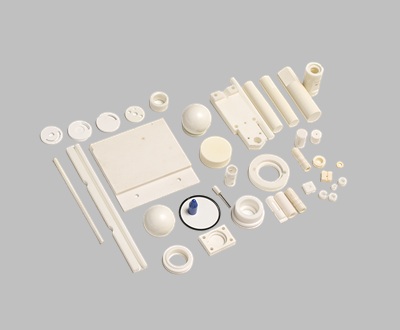
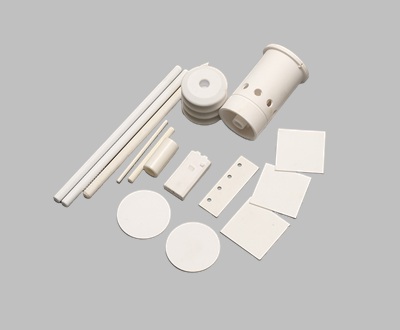
1500°C'nin üzerindeki sıcaklıklarda çalışan bir tesisi yönetirken, malzeme seçimi operasyonel hayatta kalma meselesi haline gelir. İster laboratuvar fırını ister büyük ölçekli endüstriyel fırın olsun, ortam son derece zorludur. Standart metaller deforme olur, cam erir ve kalitesiz refrakterler ufalanır. İşte bu noktada yüksek saflıkta alümina seramikler devreye girer; sadece bir bileşen olarak değil, tüm üretim hattınız için kritik bir güvenlik önlemi olarak. Geleneksel Isı Direncinin Sınırlarını AnlamakBirçok endüstriyel ortamda, mühendisler genellikle erime noktası gereksinimlerini teknik olarak karşılayan ancak günlük termal döngü stresine dayanamayan malzemelerle mücadele ederler. Kimyasal aşınma nedeniyle bir ısıtma elemanı desteğinin arızalandığı veya kritik bir erime sırasında potanın çatladığı bir üretim hattını düşünün. Bu durumun yol açtığı arıza süreleri, bileşenlerin fiyatından çok daha fazla maliyetlidir.Özellikle %95 ila %99,7 saflıktaki alümina (Al₂O₃), yüksek erime noktaları, aşırı sertlik ve kimyasal inertlik gibi benzersiz özellikler sunar. Diğer malzemelerin oksitlendiği veya yapısal bütünlüğünü kaybettiği yerlerde kararlı kalması, onu modern ısıl işlemenin temel taşı haline getirir. Termal Şokun Gerçek Dünyadaki EtkisiBir metalurji laboratuvarındaki bir senaryoyu düşünün. Erimiş metali bir kaba döküyorsunuz. Eğer bu kap, oda sıcaklığından erimiş metalin yoğun ısısına ani geçişe dayanamazsa, kırılır. Bu, termal şoktur. Yüksek kaliteli Endüstriyel Seramik Ürünleri Bu ürünler, termal genleşme katsayılarını mekanik dayanıklılıkla dengelemek üzere özel olarak tasarlanmıştır ve ekipmanınızın bu ani sıcaklık değişimlerine felaketle sonuçlanmayacak şekilde dayanmasını sağlar. Fırınlarda Kimyasal Korozyonla Başa ÇıkmaIsı tek düşman değil. Birçok kimyasal buhar biriktirme (CVD) işleminde veya eritme operasyonunda, ortam aşındırıcı gazlar veya reaktif cüruflarla doludur. Alümina, hem asit hem de alkali saldırılarına karşı son derece dirençlidir. Bu inert yapı, işlenen malzemenin saf kalmasını sağlar; bu da yarı iletken üretimi veya ilaç araştırmaları gibi sektörlerde vazgeçilmez bir özelliktir. Sertliğin Uzun Ömürlülüğe YansımalarıIsı dışında, endüstriyel ortamlar genellikle aşındırıcıdır. Parçalar darbelere, çiziklere ve yüksek hızlı gaz akışlarına maruz kalır. Alümina, birçok endüstriyel uygulamada elmas ve silisyum karbürden sonra Mohs ölçeğinde inanılmaz derecede yüksek bir sıralamaya sahiptir. Bu, bir Seramik Alümina Pota Yumuşak refrakter malzemelere kıyasla iç yüzey kalitesini ve duvar kalınlığını çok daha uzun süre koruyacak, yüzlerce döngü boyunca tutarlı bir hacim ve öngörülebilir bir termal profil sağlayacaktır. Yüksek Sıcaklıklarda Elektrik Yalıtımını GeliştirmeFırın tasarımında sık karşılaşılan bir zorluk, sıcaklık yükseldikçe elektriksel yalıtımın korunmasıdır. Çoğu malzeme ısıtıldığında daha iletken hale gelir; bu da ısıtma elemanlarında kısa devrelere veya sensör parazitlerine yol açabilir. Alümina, kızgın haldeyken bile yüksek elektriksel direncini korur. Bu özelliği sayesinde, hassasiyet ve güvenliğin son derece önemli olduğu boruları, termokuplları ve bağlantı hatlarını yalıtmak için ideal bir malzemedir. Karmaşık Montajlar için Hassas MühendislikModern endüstriyel seramikler artık basit tuğla veya yuvarlak parçalarla sınırlı değil. Gelişmiş kuru presleme ve enjeksiyon kalıplama yöntemleriyle, aşağıdaki gibi bileşenler üretilebiliyor: Seramik Alümina Tüp İnanılmaz derecede dar toleranslarla üretilebilirler. Bu hassasiyet, vakum fırınlarında hava geçirmez contalar ve otomatik ısıl işlem hatlarında mükemmel hizalanmış destekler sağlayarak manuel ayarlamalara ve "geçici çözümler" mühendisliğine olan ihtiyacı azaltır. Azaltılmış Değişim Döngüleri Sayesinde Maliyet VerimliliğiYüksek saflıkta alüminaya yapılan ilk yatırım, düşük kaliteli kil bazlı seramiklere göre daha yüksek olsa da, toplam sahip olma maliyeti farklı bir tablo ortaya koyuyor. Kırılan parçaların değiştirilmesinin işçilik maliyetlerini, durdurulan üretimden kaynaklanan gelir kaybını ve kirlenmiş parti riskini hesaba kattığınızda, alüminanın dayanıklılığı önemli bir finansal avantaj haline geliyor. Bu, "arıza durumunda değiştirme" zihniyetinden "tasarım gereği güvenilir" bir stratejiye geçmekle ilgili. Başvurunuz İçin Doğru Sınıfı SeçmekHer yüksek sıcaklık gerektiren iş için %99,7 saflık şart değildir. Genellikle, %95 alümina bileşimi, çatlak yayılımını durdurmaya yardımcı olan ikincil fazların varlığı nedeniyle daha iyi termal şok direnci sağlar. Spesifik ortamınızı –en yüksek sıcaklık, sıcaklık değişim hızı ve kimyasal atmosfer– anlamak çok önemlidir. İşin gerçek stresine uygun bir malzeme seçerek, tesisinizin sorunsuz, güvenli ve verimli bir şekilde çalışmasını sağlarsınız.






 2025-10-14
 AĞ DESTEKLİ