Steatit Seramik Uygulamaları: Bu Malzeme Elektrik ve Isıtma Bileşenlerinde Neden Yaygın Olarak Kullanılıyor?
Jul 23, 2026
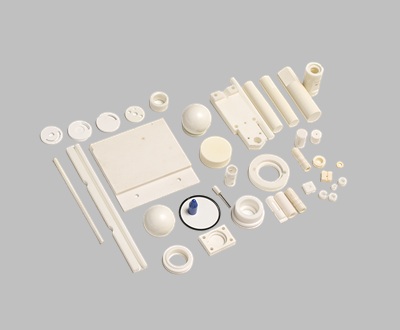
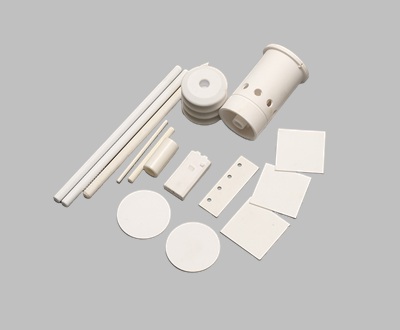
Steatit seramik, mükemmel elektriksel performansı, mekanik stabilitesi ve maliyet etkinliği nedeniyle elektrik yalıtımı ve ısıtma uygulamalarında en yaygın kullanılan teknik seramiklerden biridir. Geleneksel yalıtım malzemeleriyle karşılaştırıldığında, steatit seramik yüksek sıcaklıklarda, voltaj stresinde ve sürekli çalışma ortamlarında güvenilir performans sağlar. Isıtma sistemleri, elektrikli ekipman ve endüstriyel bileşen üreticileri için doğru seramik malzemeyi seçmek çok önemlidir. Farklı uygulamalar, yalıtım dayanımı, ısı direnci, mekanik dayanıklılık ve boyutsal hassasiyetin farklı kombinasyonlarını gerektirir. Steatit seramik, ısıtma elemanı destekleri, terminal blokları, izolatörler, direnç tabanları ve özel seramik parçalar gibi bileşenler için tercih edilen bir seçenek haline gelmiştir. Steatit seramiğin en iyi performansı gösterdiği alanları anlamak, mühendislerin uygun bileşenleri seçmesine, bakım gereksinimlerini azaltmasına ve ürün güvenilirliğini artırmasına yardımcı olur.Steatit Seramik Nedir ve Neden Endüstriyel Uygulamalar İçin Uygundur?Steatit seramik, esas olarak talk, kil ve diğer mineral katkı maddelerinden oluşan, magnezyum silikat bazlı bir seramik malzemedir. Yüksek sıcaklıkta pişirildikten sonra, mükemmel elektriksel yalıtım özelliklerine ve iyi mekanik dayanıma sahip yoğun bir seramik yapı oluşturur. Genel porselen malzemelerin aksine, steatit seramik daha düşük dielektrik kaybı ve daha iyi işleme özellikleri sunarak, istikrarlı elektriksel performans gerektiren hassas bileşenler için uygun hale gelir.Malzeme ÖzelliğiTipik PerformansBaşvuru FaydasıElektrik YalıtımıYüksek dielektrik dayanımı ve düşük dielektrik kaybıElektrikli cihazlarda güvenilir yalıtımSıcaklık DirenciSürekli yüksek sıcaklıkta çalışmaya uygundur.Isıtma ekipmanlarında istikrarlı performansMekanik Mukavemetİyi sertlik ve boyutsal kararlılıkEndüstriyel bileşenler için uzun hizmet ömrüİşlenebilirlikHassas seramik işleme için uygundur.Özelleştirilmiş bileşen tasarımlarını destekler. Bu özellikler nedeniyle, bir Yüksek Sıcaklık Steatit Seramik İzolatör Elektriksel izolasyon ve termal kararlılığın aynı anda gerekli olduğu uygulamalar için yaygın olarak tercih edilmektedir. Steatit Seramik Bileşenlerinin Başlıca Uygulama AlanlarıSteatit seramik, belirli bir sektörle sınırlı değildir. Yalıtım performansı ve ısıya dayanıklılığının birleşimi, onu birçok endüstriyel ortam için uygun hale getirir.SanayiTipik Steatit Seramik BileşenleriTemel GereksinimlerElektrikli EkipmanlarTerminal blokları, izolasyon destekleri, konektör tabanlarıYüksek izolasyon direnci ve istikrarlı voltaj performansıIsıtma EkipmanlarıIsıtma elemanı destekleri, seramik tutucular, direnç izolatörleriIsı direnci ve termal döngü kararlılığıEndüstriyel Kontrol SistemleriElektrik ara parçaları, seramik bağlantı elemanları, koruyucu parçalarMekanik dayanıklılık ve güvenilir yalıtımYeni Enerji EkipmanlarıYüksek sıcaklık yalıtım bileşenleriUzun vadeli çalışma güvenilirliği Isıtma uygulamalarında steatit seramik, tekrarlanan ısıtma ve soğutma döngülerine maruz kalırken yalıtım performansını koruyabildiği için özellikle değerlidir. Bu özelliği sayesinde ısıtma direnç sistemleri, endüstriyel ısıtıcılar ve elektrikli termal cihazlar için uygundur. Isıya Dayanıklı Uygulamalarda Steatit Seramik Neden Kullanılır?Isıtma sistemleri, yüksek sıcaklıklara dayanabilen ve elektrik kaçağını önleyebilen malzemeler gerektirir. Metal bileşenler mükemmel iletkenlik sağlar, ancak güvenlik ve verimlilik için güvenilir yalıtım korumasına ihtiyaç duyarlar. Steatit seramik bileşenler, termal stres altında yapısal stabiliteyi korurken elektriksel yalıtım sağladıkları için genellikle ısıtma elemanlarının çevresinde kullanılır.Isıtma UygulamasıSteatit Seramik FonksiyonuElektrikli IsıtıcılarIsıtma tellerini destekler ve elektrik temasını önler.Endüstriyel Dirençli IsıtmaYalıtım ve mekanik koruma sağlar.Termal EkipmanSıcaklık değişimleri sırasında bileşenlerin stabilitesini korur.Isıtma Bağlantı ElemanlarıGüvenli elektrik bağlantı noktaları sağlar. Isıtma ekipmanı üreten üreticiler için seçim yapmak, Steatit Seramik Isıya Dayanıklı Bileşen Elektrik güvenliğini artırabilir, bileşen arızası risklerini azaltabilir ve ürünün kullanım ömrünü uzatabilir. Projeniz İçin Doğru Steatit Seramik Bileşenini Nasıl Seçersiniz?Seramik bir bileşen seçmek, yalnızca boyutları kontrol etmekten daha fazlasını gerektirir. Mühendisler, çalışma sıcaklığını, elektriksel gereksinimleri, mekanik yükleri ve çevresel koşulları değerlendirmelidir.Seçim FaktörüDikkate Alınması Gereken SorularÇalışma SıcaklığıSeramik bileşen sürekli ısınmaya veya termal döngüye maruz kalacak mı?Elektriksel PerformansHangi yalıtım gerilimi ve dielektrik gereksinimlerine ihtiyaç duyulmaktadır?Mekanik YapıParçanın darbelere karşı dayanıklılık veya yük taşıma kapasitesine ihtiyacı var mı?ÖzelleştirmeÖzel şekiller, delikler veya hassas ölçüler gerekiyor mu? Özelleştirilmiş endüstriyel uygulamalar için, hassas seramik işleme sağlayan bir üreticiyle çalışmak önemlidir. Profesyonel bir tedarikçi, nihai çalışma ortamına göre malzeme seçimini, yapısal tasarımı ve üretim süreçlerini optimize edebilir. Steatit Seramik ve Diğer Teknik Seramik Malzemeler KarşılaştırmasıFarklı seramik malzemeler farklı performans avantajları sunar. Steatit seramik, elektriksel yalıtım, mekanik dayanıklılık ve üretim maliyeti arasında pratik bir denge sağladığı için sıklıkla tercih edilir.MalzemeAna AvantajOrtak UygulamalarSteatit Seramikİyi yalıtım, düşük kayıp, uygun maliyetElektrik yalıtkanları, ısıtma bileşenleriAlümina SeramikDaha yüksek sertlik ve aşınma direnciElektronik alt tabakalar, yüksek mukavemetli parçalarZirkonya SeramikMükemmel dayanıklılık ve sağlamlıkHassas mekanik bileşenler Alümina ve zirkonya seramikleri bazı zorlu mekanik uygulamalar için tercih edilirken, steatit seramik, istikrarlı performans ve maliyet kontrolünün önemli olduğu elektrik yalıtımı ve ısıtma ile ilgili bileşenler için pratik bir çözüm olmaya devam etmektedir. Endüstriyel Üretimde Steatit Seramiğe Gelecekteki TalepElektrikli ekipmanlar daha kompakt hale geldikçe ve endüstriyel sistemler daha yüksek güvenilirlik gerektirdikçe, seramik izolasyon malzemeleri önemli bir rol oynamaya devam etmektedir. Isıtma ekipmanları, otomasyon sistemleri ve enerjiyle ilgili cihazların tümü, zorlu koşullar altında güvenli bir şekilde çalışabilen bileşenlere ihtiyaç duyar. Üreticiler ayrıca, hassas boyutlara ve karmaşık yapılara sahip özelleştirilmiş seramik parçalara olan talebi de artırıyor. Gelişmiş seramik işleme teknolojisi, tedarikçilerin bileşenleri belirli çizimlere, uygulama ortamlarına ve performans gereksinimlerine göre üretmelerine olanak tanıyor. Güvenilir seramik çözümlerine ihtiyaç duyan şirketler için deneyimli bir firma seçmek önemlidir. Hassas Steatit Seramik Parça Üreticisi Uzun vadeli endüstriyel uygulamalar için tutarlı kalite, doğru üretim ve uygun malzeme performansının sağlanmasına yardımcı olur.Steatit Seramik Hakkında Sıkça Sorulan Sorular Steatit seramiğin başlıca kullanım alanları nelerdir? Steatit seramik, ısıtma elemanı destekleri, direnç tabanları, seramik konektörler, terminal blokları ve endüstriyel ekipmanlar için yalıtım bileşenleri de dahil olmak üzere elektrik yalıtımı ve ısıtma uygulamalarında yaygın olarak kullanılmaktadır. Mükemmel elektrik yalıtımı ve termal kararlılığı, onu yüksek sıcaklıktaki çalışma ortamları için uygun hale getirir. Steatit seramik neden genellikle elektrik yalıtımında kullanılır? Steatit seramik, yüksek elektrik direnci, düşük dielektrik kaybı ve istikrarlı yalıtım performansı sağlar. Bu özellikleri sayesinde konektörlerde, izolatörlerde ve yüksek voltajlı veya yüksek sıcaklıklı elektrik bileşenlerinde güvenilir elektrik izolasyonu sağlar. Steatit seramik yüksek sıcaklık ortamlarına dayanabilir mi? Evet. Steatit seramik iyi bir termal kararlılığa sahiptir ve sürekli ısıtma ve termal döngü sırasında mekanik ve elektriksel özelliklerini koruyabilir. Genellikle ısıtma direnci bileşenlerinde, endüstriyel ısıtıcılarda ve termal ekipmanlarda kullanılır. Steatit seramik ile alümina seramik arasındaki fark nedir? Steatit seramik, esas olarak elektrik yalıtımı, düşük dielektrik kaybı ve uygun maliyetli endüstriyel uygulamalar için tercih edilir. Alümina seramik ise genellikle daha yüksek sertlik ve aşınma direnci sağlar, bu da onu aşırı mekanik dayanım gerektiren uygulamalar için daha uygun hale getirir. Steatit seramik bileşenler çizimlere göre özelleştirilebilir mi? Evet. Steatit seramik bileşenler, boyutlar, delikler, şekiller ve yüzey gereksinimleri de dahil olmak üzere müşteri çizimlerine göre özelleştirilebilir. Profesyonel seramik üreticileri, elektrik, ısıtma ve endüstriyel uygulamalar için özelleştirilmiş çözümler sunabilir.






 2025-10-14
 AĞ DESTEKLİ